
The Allure of Risk and Reward
The thrill of uncertainty is one of the main psychological drivers behind casino gaming. Players are naturally drawn to environments that promise potential rewards, especially when the risk feels manageable. In the context of their choices, many individuals also consider uk casinos not on gamstop, creating a powerful cocktail of excitement that propels players into a cycle of repeated visits. The anticipation of hitting a jackpot or the excitement of a near win can trigger the brain's reward system, releasing dopamine and creating a sense of pleasure.
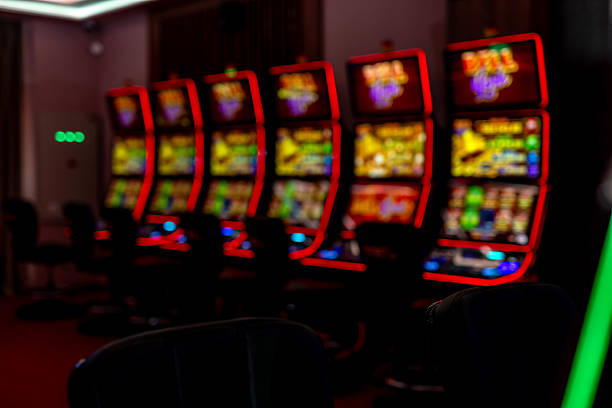
Furthermore, many casinos employ strategies that enhance this experience. For instance, the design of the gaming environment is optimized to amplify sensations of excitement and eagerness. With flashing lights, engaging sounds, and vibrant colors, a casino successfully manipulates the psychological state of players, making them more likely to return for another shot at winning.
The Social Aspect of Casino Gaming
Casinos are not just places to gamble; they are social hubs where players connect with others. The communal experience of gaming fosters camaraderie, allowing individuals to share their experiences, strategies, and excitement. This social interaction can be a significant reason why players feel compelled to return, as it creates a sense of belonging and community.
Additionally, social gambling elements like tournaments and group games encourage players to come back regularly. Engaging with other players adds a layer of enjoyment that elevates the gaming experience from merely individualistic to a shared occasion, making the casino a preferred destination for socializing and entertainment.
Cognitive Biases and the Gambler's Fallacy
Cognitive biases play a pivotal role in how players perceive their chances of winning. The gambler's fallacy, for example, leads individuals to believe that past outcomes influence future events, which keeps them engaged in the hope of a changing fortune. This fallacy promotes persistence in gaming as players think they are "due" for a win after a series of losses, compelling them to return in hopes of finally breaking the streak.
This psychological trap can be particularly powerful in slot machines and table games where patterns are less discernible. As players chase what they believe to be their “turn,” they often overlook the statistical reality of their odds, deepening their investment in the game and ensuring their continuous patronage at casinos.
The Role of Escape and Entertainment
For many individuals, casinos offer a temporary escape from reality. The immersive environment creates a break from everyday stressors, allowing players to lose themselves in a world of chance and fantasy. This psychological aspect of gaming serves as a coping mechanism for some, making the casino an attractive location for relaxation and entertainment.
Moreover, the entertainment factor is amplified by the variety of games available, allowing players to choose experiences that match their preferences. Whether it’s the strategic thinking involved in poker or the sheer luck of playing slots, the diversity of options ensures that players return for different forms of entertainment, making each visit a unique experience.

Finding Resources on Casino Gaming and Psychology
For those interested in delving deeper into the intricate relationship between psychology and casino gaming, Mesaonline.org provides valuable resources and insights. This platform is dedicated to exploring various aspects of casino gaming, from understanding player behavior to analyzing the psychological triggers that keep players engaged.
By offering educational tools and information, Mesaonline.org aims to enhance users' understanding of the gaming world. Whether you're a casual player or a seasoned gambler, the wealth of resources available ensures that you can make informed decisions and gain a better grasp of what drives players back to the casino time and again.


